

Designer Lighting Fixtures That Makes a Space Feel Custom
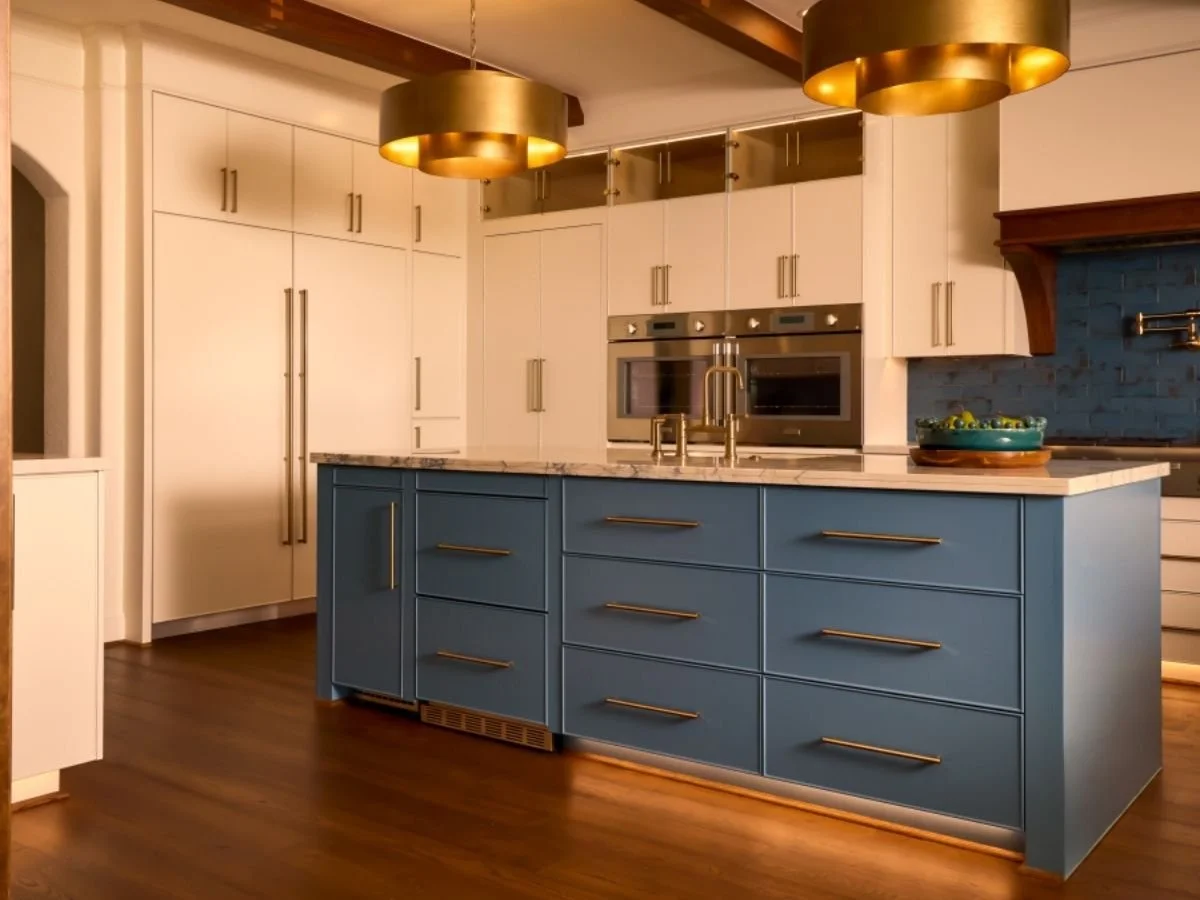
Lighting is one of the most transformative (and underrated) tools in home design. When you walk into a well-designed home, you might not immediately notice the lighting, but you do notice the balance it creates. Let’s explore how designer lighting fixtures impact your home, what types of lighting we prioritize, and the upgrades that make a space stand out.
Why Lighting Plays Such an Important Role
If you want your home to feel custom, lighting is essential. Here’s why it matters so much:
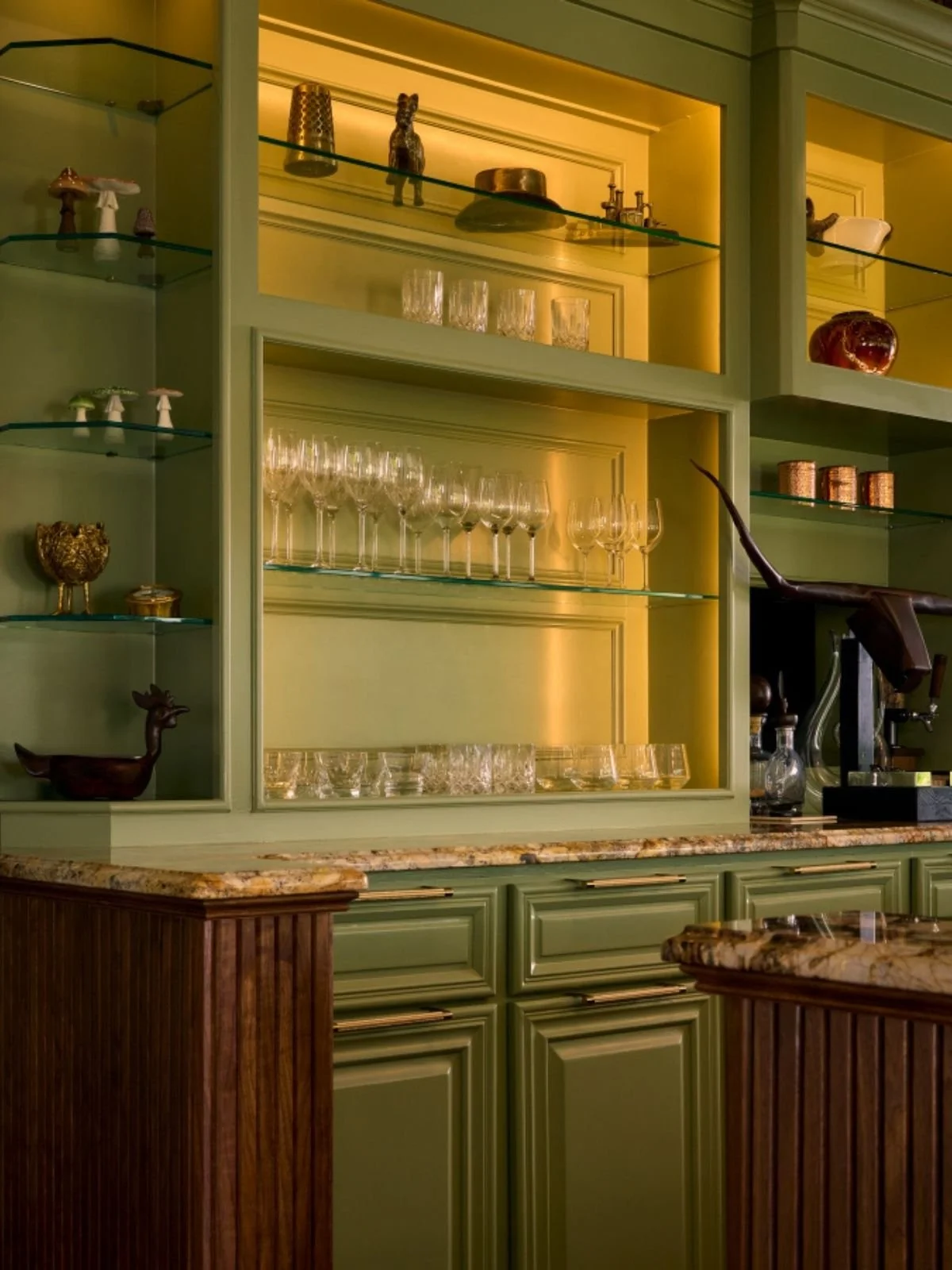
Lighting sets the emotional tone of a room.
From bright mornings to cozy evenings, lighting shapes the mood and ambiance of a space. Layered lighting helps each room feel inviting and comfortable at any hour of the day.
Lighting enhances craftsmanship.
High-quality materials deserve high-quality lighting. The right lighting plan highlights beautiful details like cabinetry, stone, and tile that might otherwise go unnoticed.
Lighting affects how colors look.
Paint, flooring, countertops, and fabrics all depend on lighting. Thoughtful designer lighting fixtures help your selections look their best.
Lighting changes how a home feels.
The most successful lighting design is subtle. You may not see each fixture individually, but you always experience the overall impact.
The Four Layers of Lighting That Make a Space Feel Custom
Exceptional lighting design isn’t about choosing a single fixture. It’s about layering multiple types of light throughout your home. There are four lighting categories we incorporate into every project. When they all work together, each room becomes functional, warm, and visually balanced: the hallmark of a custom home.
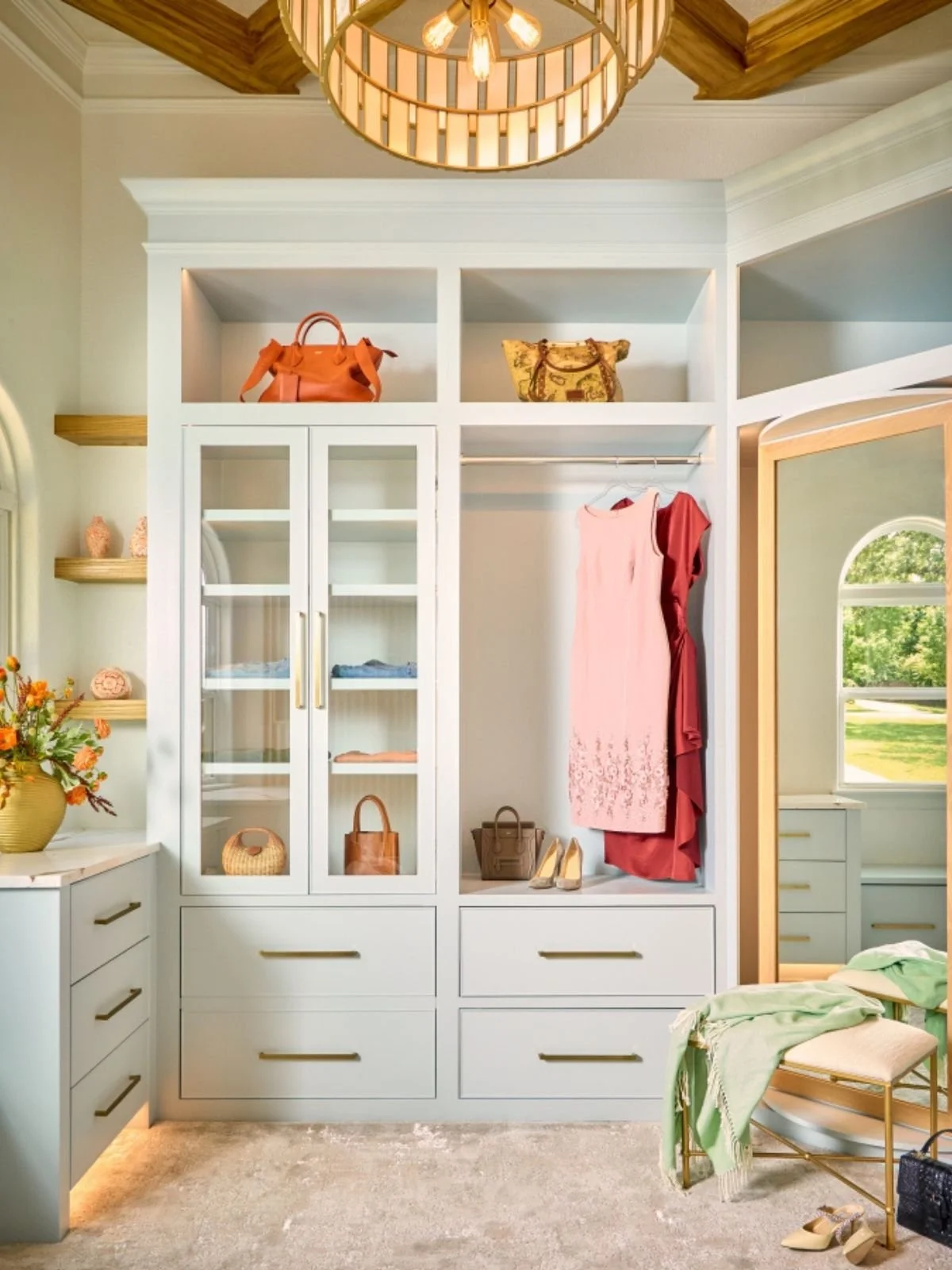
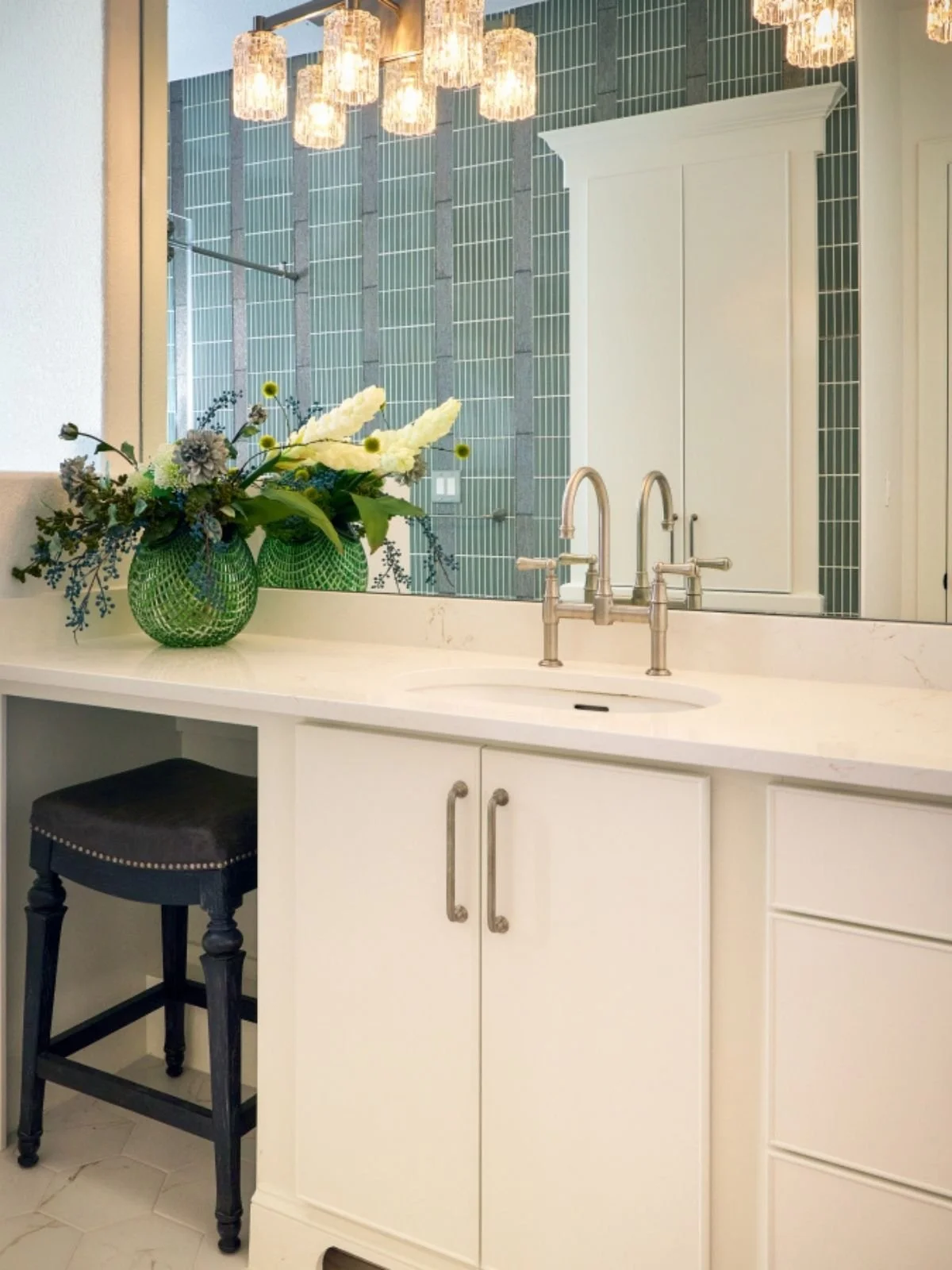
We prioritize ambient lighting, which provides overall illumination through recessed lighting cans, ceiling fixtures, or evenly distributed LEDs. Task lighting is just as important, delivering focused light where it’s needed: under-cabinet lights in the kitchen, vanity lighting in bathrooms, or pendants over an island or workspace. Accent lighting adds depth and visual interest by highlighting architectural features such as arches, shelving, artwork, or textured materials. Lastly, decorative lighting makes a statement through chandeliers, pendants, or sconces that define your home’s character and style.
How We Help Clients Choose the Right Lighting
Lighting selections can feel overwhelming, but our design-build process makes things simple.
We begin by understanding how each space will be used. Kitchens, bathrooms, and work areas need task-driven lighting, while living spaces benefit from softer, more ambient layers.
Next, we help clients choose lighting styles and finishes that complement the home’s overall design, whether modern, classic, transitional, or a blend of styles.
Finally, we develop a cohesive lighting plan that blends ambient, task, accent, and decorative lighting creating the perfect
Are you considering a remodel? Here are some ways we help our clients pick the perfect countertops!
Lighting Upgrades That Make a Home Feel More Custom
Certain lighting details instantly elevate a home and give it a high-end, custom feel. Thoughtful upgrades like adding dimmers for mood control and energy efficiency, incorporating statement chandeliers or pendant lights as architectural jewelry, integrating lighting into shelves, under cabinets, or ceiling coves, using LED toe-kick lighting for soft, modern illumination, and introducing wall sconces for added warmth and depth all work together to transform a space. These details create rooms that feel intentionally designed, not just decorated.
Common Lighting Mistakes (and How We Avoid Them)
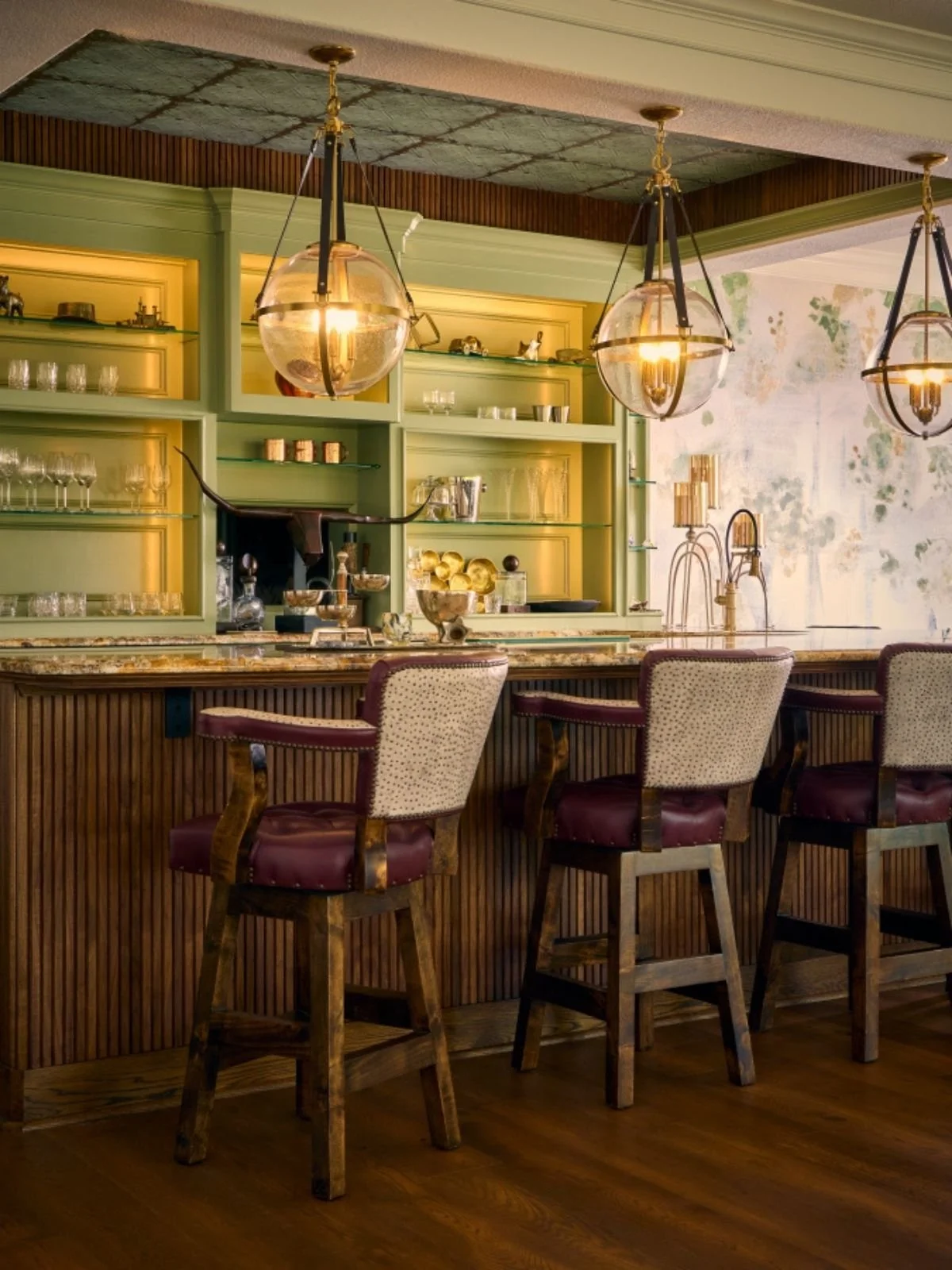
Even the most beautifully designed home can feel flat without the right lighting. Here are common issues we see and how we solve them:
Relying on a single light source
A lone ceiling fixture creates harsh shadows and limited visibility. We avoid this by creating layers of light in every room.
Using incorrect color temperature
Lighting that is too cool feels stark, while lighting that is too warm can feel dim. We typically use neutral white temperatures around 2700K–3000K for warmth and clarity.
Selecting fixtures that are the wrong scale
Small fixtures in large rooms (or oversized fixtures in small rooms) disrupt proportion. We size each fixture based on room dimensions and sightlines.
Poor placement
Lighting options that casts shadows over work areas or vanities makes daily tasks difficult. We plan placement early in the design phase to ensure effectiveness and comfort.
Skipping dimmers or smart controls
Without dimmers, spaces lose flexibility. We incorporate dimming and smart control options to enhance ambiance and efficiency.
Let’s Get Started
A well-lit home is never an accident. It’s the result of intentional design, thoughtful layering, and carefully chosen details. By blending ambient, task, accent, and decorative lighting (and elevating each space with meaningful upgrades) you create a home that feels warm, balanced, and undeniably custom. When lighting is approached as a design strategy rather than an afterthought, every room becomes more inviting.
Ready to build your custom home? Reach out today and let’s get started!